Subject file
Education News
Education News covers the commercial side of learning technology: vendor funding and results, pricing changes, mergers, procurement rules, and the budget cycles determining when schools can buy anything. Reporting connects corporate decisions to classroom availability. For administrators, suppliers and analysts following where education money moves.
Education News
E-rate discounts of 20 to 90 percent pay for most of the connectivity and Wi-Fi in US schools, and its rules shape what districts can buy and when.
By Victor Petrov • May 29, 2026
Education News
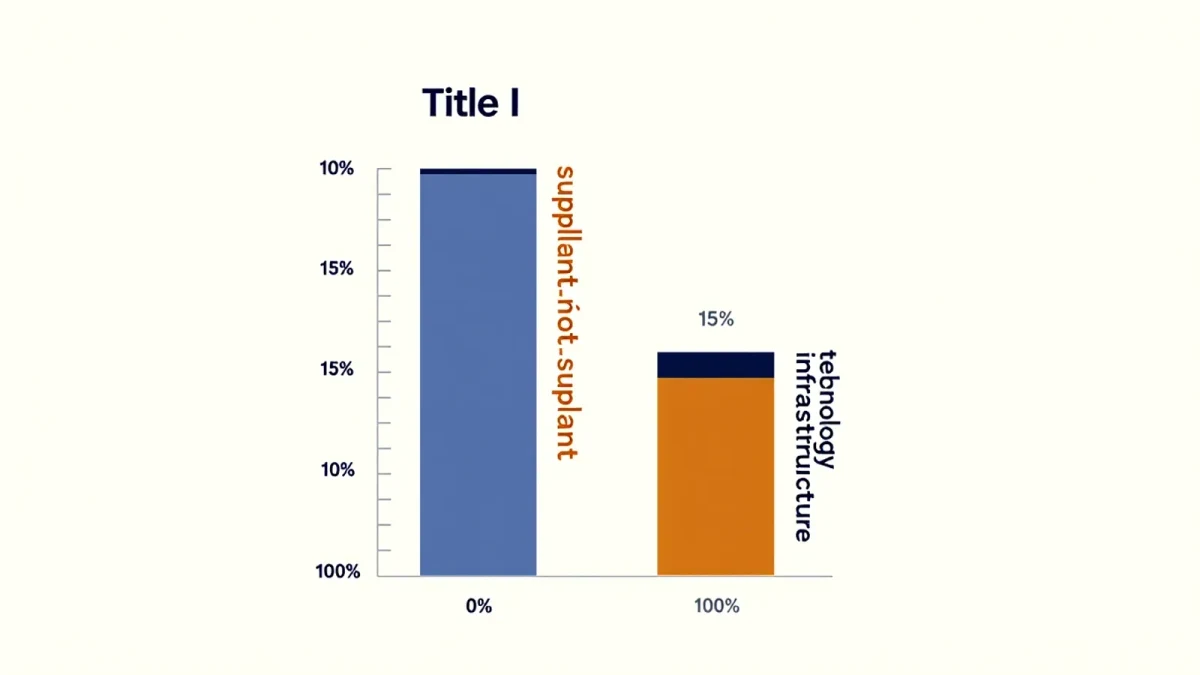
Title I, Part A carries no percentage cap on device and software purchases, but supplement-not-supplant rules and the Title IV-A 15 percent cap decide what actually survives an audit.
By Victor Petrov • May 6, 2026
Education News
The Every Student Succeeds Act turned «evidence-based» into a purchasing requirement — and marketing language that sounds like proof but often isn't.
By Zara Nasser • April 14, 2026
Education News
The first-year discount was real; so is the renewal quote, and the gap is built into how education software is priced, sold, and budgeted.
By Victor Petrov • March 22, 2026
Education News
A handful of private-equity-backed deals consolidated much of the US curriculum market, and the pricing power shows up in districts' renewal quotes.
By Victor Petrov • February 27, 2026
Education News
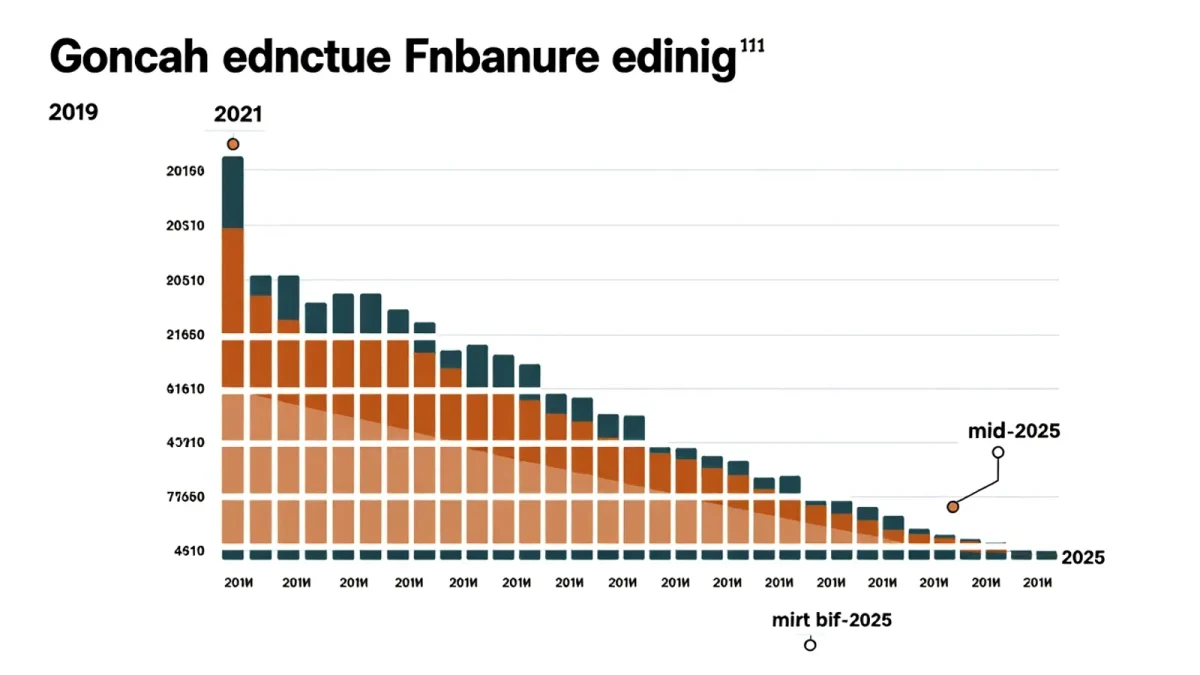
Per HolonIQ, global edtech venture capital reached roughly $1.35 billion in the first half of 2025, continuing a multi-year slide from the 2021 peak.
By Marta Kowalczyk • February 4, 2026
Education News
A district's path from a teacher's demo request to a signed purchase order runs through five gates, and most products stall at the ones vendors never see.
By Marta Kowalczyk • January 13, 2026